Summary
The Tohoku Shinkansen is famous for being the fastest Shinkansen in Japan. It connects Tokyo with major cities such as Utsunomiya, Sendai, and Morioka. From this line, you can also travel directly to other regions: the Yamagata Shinkansen to Yamagata and Shinjo, the Akita Shinkansen to Omagari and Akita, and the Hokkaido Shinkansen to Hakodate.
The Tohoku Shinkansen takes you to destinations such as Sendai, Hiraizumi, and Aomori, known for history and nature.
The Akita Shinkansen takes you to Kakunodate, Lake Tazawa, and Akita City, where traditional culture and beautiful scenery await.
The Yamagata Shinkansen takes you to Yamadera, Zao Onsen, and Yonezawa.
The Hokkaido Shinkansen reaches Hakodate and Onuma Park, and in the future will extend to Sapporo, offering access to the attractions of northern Japan.
Depending on the train type you choose, different Shinkansen models are used, each offering unique features and comfort. Please see the details below for more information.
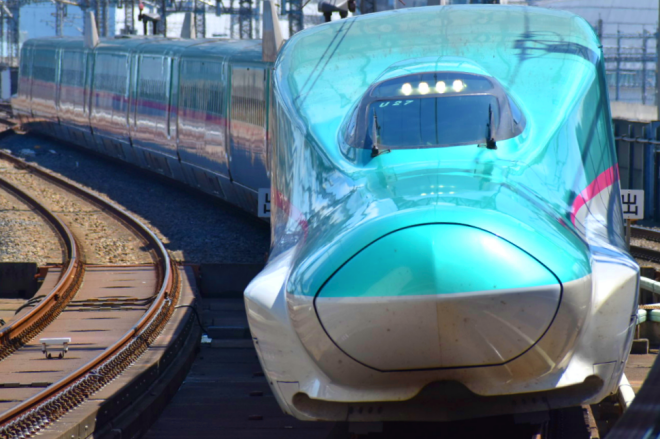
E5 series train set
Route map
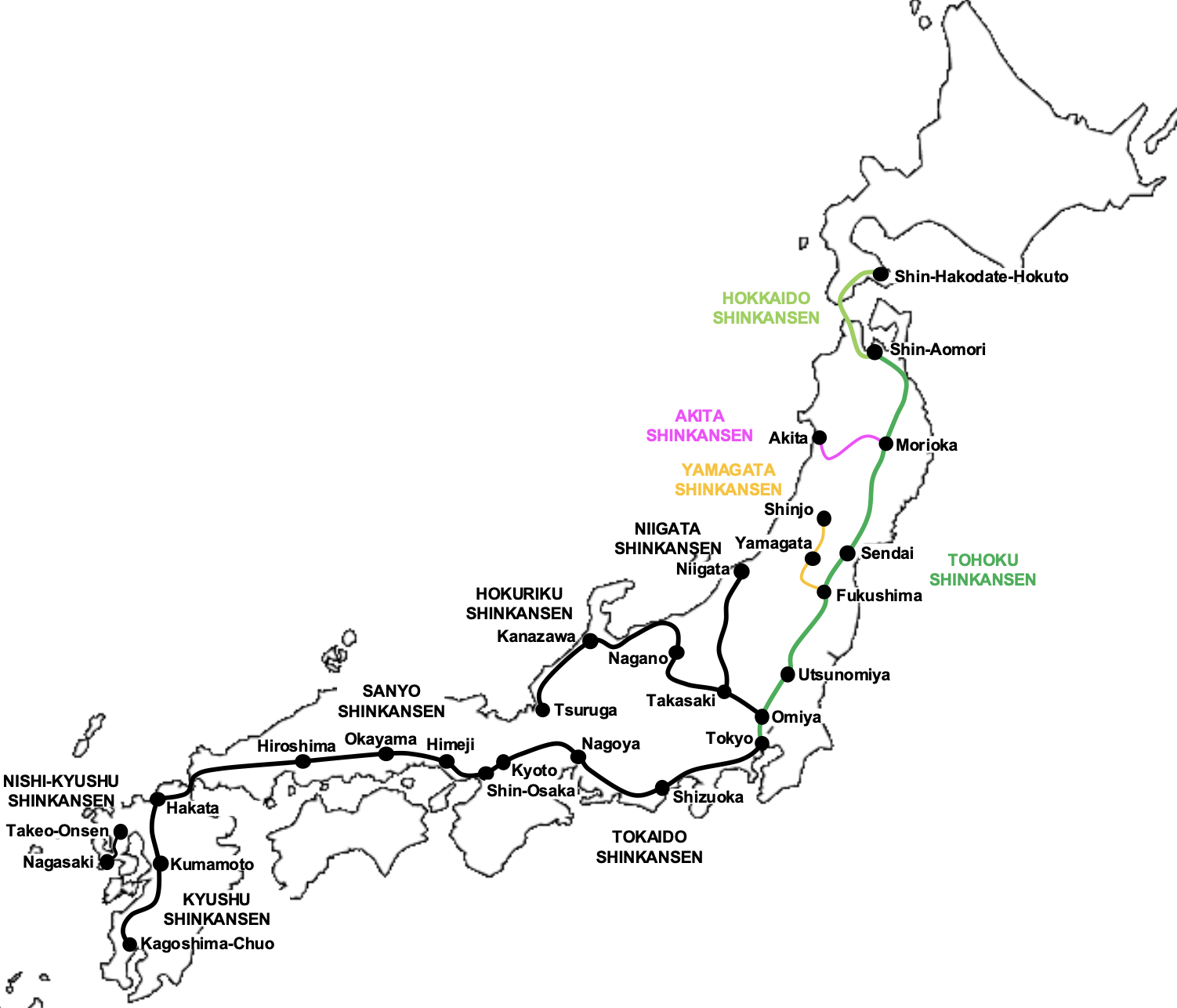
Train types
All trains are operated with 16-car N700 series train set.
HAYABUSA (TOHOKU & HOKKAIDO SHINKANSEN)
The fastest Shinkansen in Japan, connecting Tokyo with the Tohoku region and Hokkaido in the shortest time. Operated by E5 series trains. Runs 1–3 times per hour.

YAMABIKO (TOHOKU SHINKANSEN)
A popular train connecting Tokyo with Sendai and Morioka. It makes more stops than the Hayabusa, providing easy access to many cities and sightseeing spots in Tohoku. Operated by E5 series trains. Runs 1–3 times per hour.

NASUNO (TOHOKU SHINKANSEN)
This train connects Tokyo with Utsunomiya and the Nasu area. It is convenient for shorter trips, especially to hot spring resorts such as Nasu Highlands. Operated by E5 series trains. Runs about once per hour.

KOMACHI (AKITA SHINKANSEN)
Direct service from Tokyo to Akita. Ideal for sightseeing in Akita, including the samurai residences of Kakunodate and the scenic Lake Tazawa. Operated by E6 series trains. Runs 1–2 times per hour.

TSUBASA (YAMAGATA SHINKANSEN)
Direct service from Tokyo to Yamagata and Shinjo. Perfect for exploring Yamagata, including Zao Onsen and the historic Yamadera Temple. Operated by E8 series trains. Runs 1–2 times per hour.


E6 series train set
Seat types
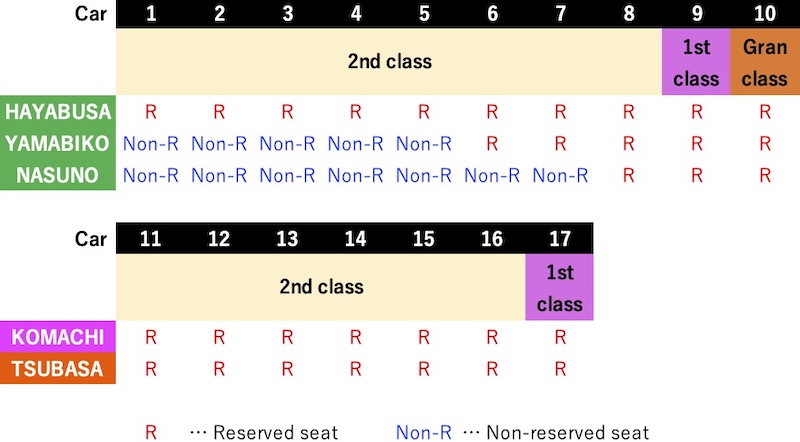
- In the Gran class and Green Car, all seats are reserved.
- On YAMABIKO and NASUNO trains, the non-reserved seat cars may differ depending on the train.
Executive class (Gran class) / E5 series
Cars 10 is Executive class, called ”Gran class.” All seats are reserved. They feature a 1+2 seating layout with a seat pitch of 1,300 mm, offering comfort even on long journeys. In the Gran Class on the "HAYABUSA", complimentary light meals and drinks (including alcoholic beverages) are provided.
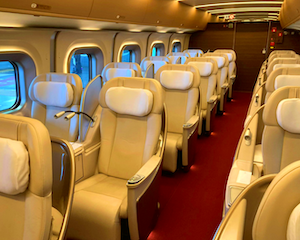
1st class (Green car) / E5 series
Cars 9 is 1st class, called “Green Cars.” All seats are reserved. They feature a 2+2 seating layout with a seat pitch of 1,160 mm, offering comfort even on long journeys.
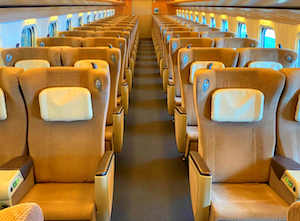
2nd class (Ordinary car) / E5 series
Cars 1 to 8 are 2nd class, with a 2+3 seating layout. Reserved and non-reserved seats are the same type.
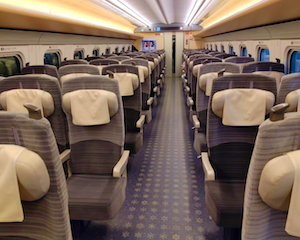
1st class (Green car) / E6, E8 series
Cars 11 is 1st class, called “Green Cars.” All seats are reserved. They feature a 2+2 seating layout with a seat pitch of 1,160 mm, offering comfort even on long journeys.
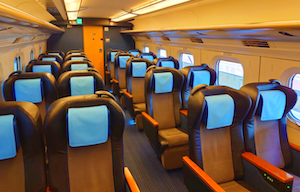
2nd class (Ordinary car) / E6, E8 series
Cars 12 to 17 are 2nd class, with a 2+2 seating layout. Reserved and non-reserved seats are the same type.
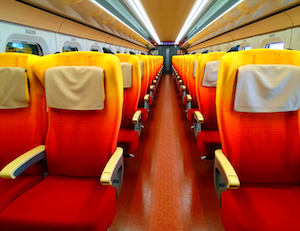
Stops
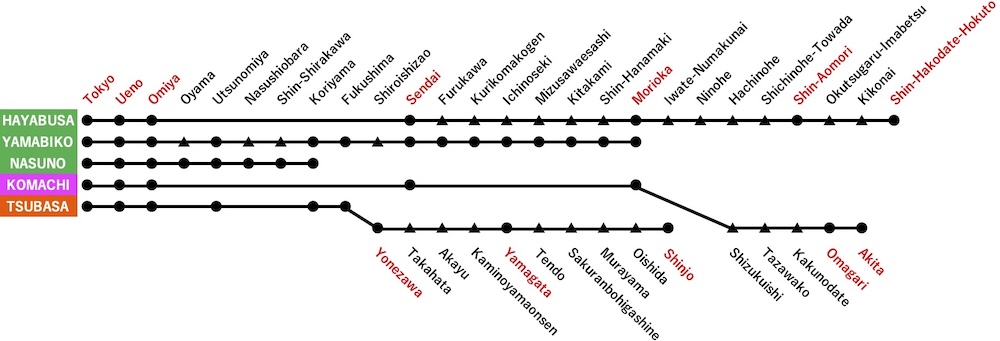
- The stops vary depending on the service.
- ▲ indicates stations where only some trains stop.
Travel Times and Fares for Major Sections
| Route | Type | Time | Gran class |
1st class |
2nd class (R) |
2nd class (Non-R) |
|---|---|---|---|---|---|---|
| Tokyo - Shin-Hakodate-Hokuto | HAYABUSA | 4h10m | ¥43430 | ¥32430 | ¥23560 | - |
| Tokyo - Shin-Aomori | HAYABUSA | 3h20m | ¥30540 | ¥23540 | ¥17470 | - |
| Tokyo - Morioka | HAYABUSA | 2h10m | ¥26680 | ¥19680 | ¥14810 | - |
| Tokyo - Sendai | HAYABUSA | 1h30m | ¥21870 | ¥14870 | ¥11210 | - |
| Tokyo - Utsunomiya | YAMABIKO | 50m | ¥10240 | ¥7090 | ¥4820 | ¥4490 |
| Tokyo - Akita | KOMACHI | 3h50m | - | ¥22890 | ¥17820 | - |
| Tokyo - Shinjo | TSUBASA | 3h30m | - | ¥17670 | ¥12800 | - |
| Tokyo - Yamagata | TSUBASA | 2h50m | - | ¥14910 | ¥11250 | - |
| Tokyo - Yonezawa | TSUBASA | 2h10m | - | ¥13990 | ¥10330 | - |
- "(R)" means fare with seat reservation.
- "(Non-R)" means fare with Non-seat reservation.
- Children aged 6 to under 12 pay half of the adult fare for 2nd class seats. Children under 6 travel free, but a child fare is required if a seat is reserved.
- The following fares are standard fares. During busy seasons, an additional ¥400 applies. During off-peak seasons, ¥200 is discounted.
Onboard facilities
Restrooms
Located approximately once every two cars.

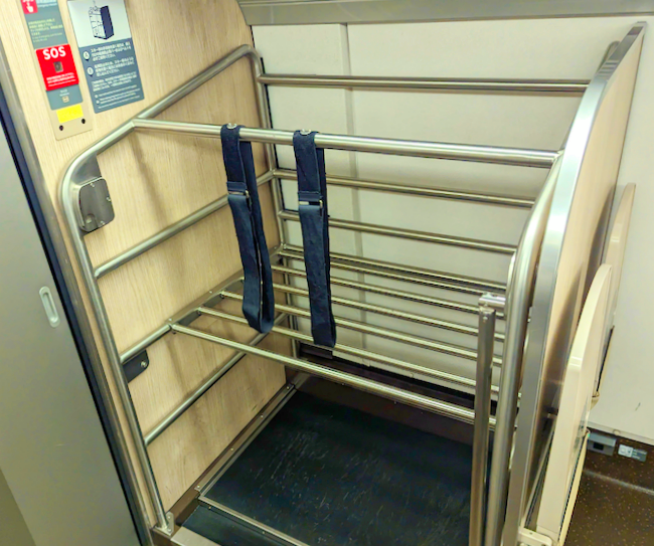
Luggage storage
Luggage storage is available in each car.
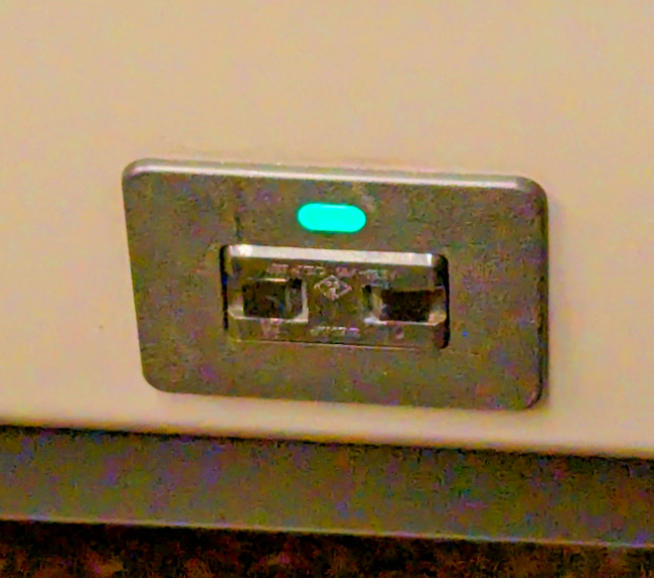
Power outlets
Power outlets are available at every seat in Gran class and 1st class (Green Cars), and at window seats in 2nd class.On the E8 series, every seat is equipped with a power outlet.
Wi-Fi
All trains offer free Wi-Fi service.
Timetable
The timetable is frequently updated. Please check the latest version on the JR East website.
Major sightseeing spots
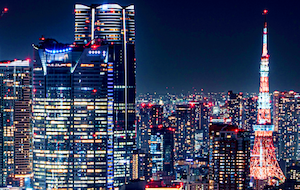
TOKYO
Japan’s capital, Tokyo, is a city where tradition and modern culture coexist. From historic sites such as Senso-ji Temple and the Imperial Palace to the bustling districts of Shibuya and Shinjuku, it offers endless attractions.
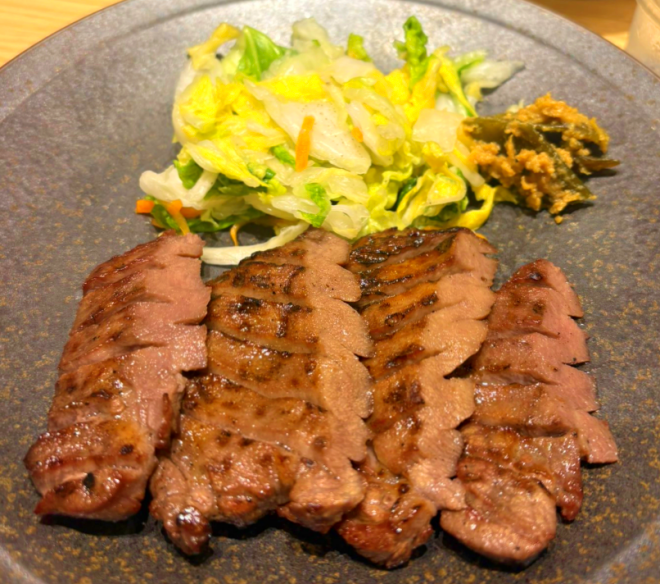
Sendai
The largest city in the Tohoku region, known for the historic Aoba Castle ruins and as the gateway to Matsushima, one of Japan’s Three Scenic Views. Local specialties include beef tongue and zunda sweets.
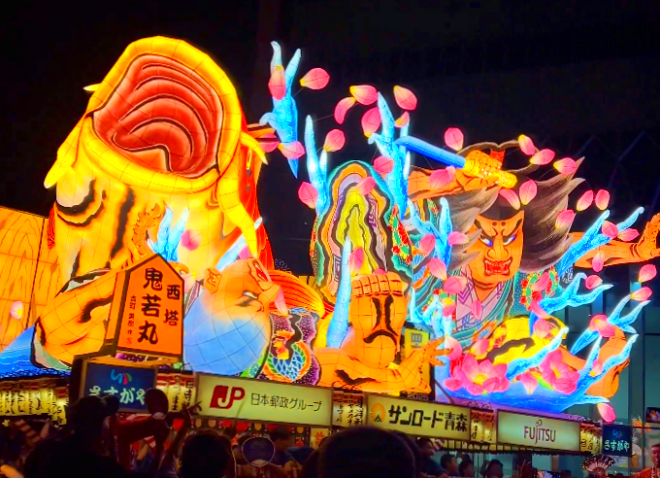
Aomori
Famous for the Nebuta Festival in summer. The city is also known for fresh seafood, apples, and Hirosaki Castle, which attracts many visitors with its cherry blossoms.
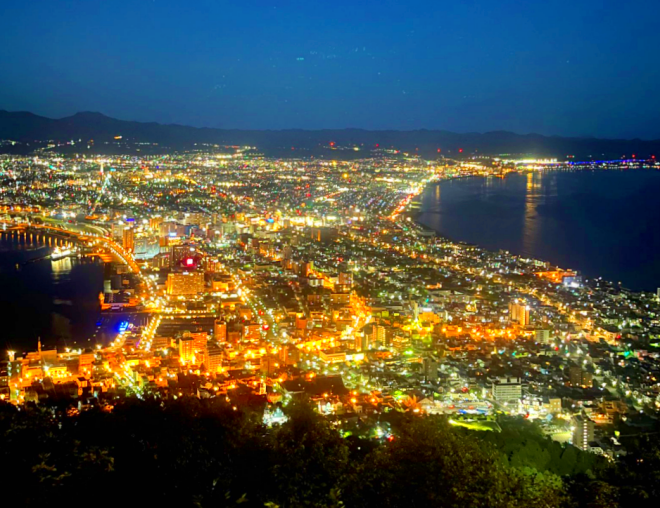
Hakodate
Renowned for the night view from Mt. Hakodate and the star-shaped Goryokaku Fort. Visitors can enjoy fresh seafood at the morning market and stroll through charming streets with a Western influence.
Akita
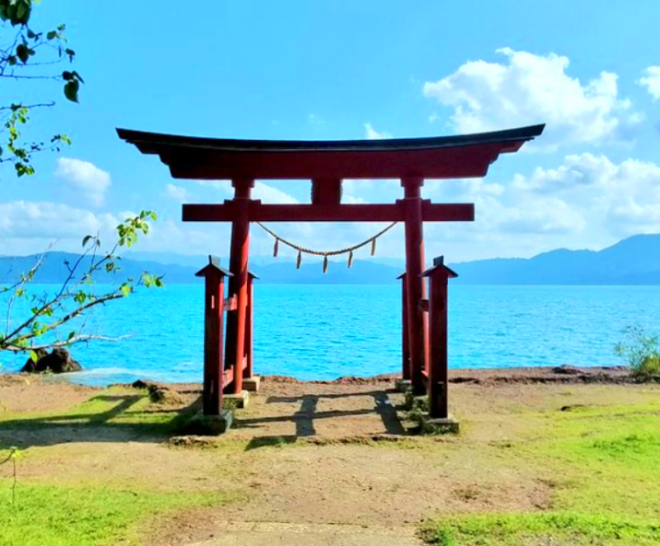
Akita is famous for the Kanto Festival, with must-see spots like the samurai streets of Kakunodate and the scenic Lake Tazawa. Visitors can also savor local cuisine such as kiritanpo hot pot.
Yamagata
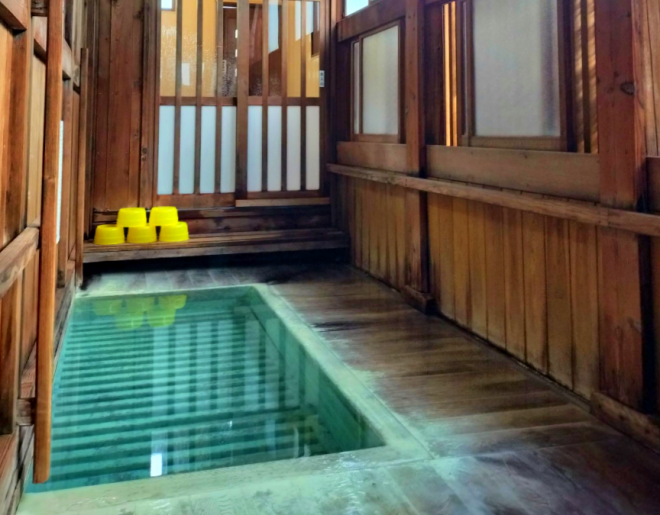
Yamadera Temple and the snow monsters of Zao Onsen are highlights. In winter you can ski, while in summer you can enjoy cherry picking. Yamagata offers seasonal beauty, nature, and gourmet delights.
Important Notes
- Holidays in May, August, and December are extremely crowded.
- The morning and evening hours are also very crowded.
- KOMACHI and HAYABUSA, and TSUBASA and YAMABIKO, run as coupled services. Please note that it is not possible to pass between the two train sets.